Reducing food waste at home is a smart way to save money, conserve resources, and contribute to a healthier planet. Every year, millions of tons of edible food go to waste, often ending up in landfills where they produce greenhouse gases. By making a few simple changes to your shopping, cooking, and storage habits, you can significantly cut down on wasted food. This guide will share practical, easy-to-follow ways to reduce food waste at home.
Why Reducing Food Waste Matters
Before diving into the tips, it’s helpful to understand why food waste is a big issue:
– Environmental impact: Food production uses water, energy, and land. Wasting food means all those resources are wasted too.
– Economic cost: Throwing food away is like throwing money away.
– Social responsibility: Reducing food waste can help address hunger and food insecurity by encouraging smarter food management.
With these reasons in mind, let’s explore how you can start reducing waste today.
Plan Ahead: Smart Shopping Habits
Make a Grocery List
Planning your meals for the week and making a list helps you buy only what you need. Check your pantry and fridge before shopping to avoid duplicates.
Shop with a Full Stomach
Shopping when hungry can lead to impulse buys and more waste. Eat before you shop to make more thoughtful choices.
Buy in Appropriate Quantities
Avoid bulk buying perishable foods unless you’re sure you can use them before they spoil. Smaller amounts can reduce waste.
Store Food Properly to Extend Freshness
Use Clear Containers
Storing leftovers and fresh food in clear containers helps you see what you have, making it easier to use before it goes bad.
Understand Storage Needs
Different foods require different conditions. For example, keep tomatoes at room temperature, but leafy greens in the fridge with moisture control.
Freeze What You Can’t Use Soon
Freezing is a great way to preserve fruits, vegetables, bread, and cooked meals. Label them with dates to keep track.
Use Up Leftovers Creatively
Repurpose Leftovers
Turn last night’s dinner into a new meal. For example, roasted veggies can become a soup or salad topping.
Keep Leftover Bins Visible
Store leftovers in a designated area in the fridge and rotate them front to back to ensure older items get eaten first.
Try Batch Cooking
Cooking larger portions and freezing individual meals means you control portions and reduce impulse cooking that might lead to waste.
Understand Food Labels
“Best By” vs. “Use By”
“Best By” dates often indicate peak quality, not safety. Use your senses (smell, look, taste) to determine if food is still good.
Trust Your Senses
Learning when food is still edible helps avoid tossing perfectly good items just because a date has passed.
Compost Food Scraps
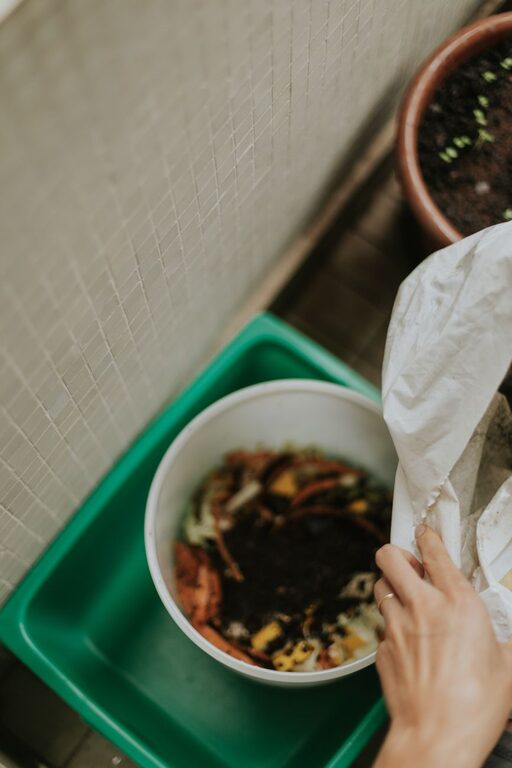
If you do have unavoidable food waste, composting is a great way to reduce landfill contributions and produce nutrient-rich soil for plants.
What to Compost
Vegetable scraps, fruit peels, coffee grounds, and eggshells compost well. Avoid meat, dairy, and oily foods that attract pests.
Composting Methods
Consider a backyard compost bin or a worm composting system if space is limited. Many communities also offer green waste pickup.
Educate and Involve Your Household
Share the Goal
Talk with family members about reducing food waste and involve everyone in meal planning and cooking.
Track Waste
Keep a simple log of what gets thrown away to identify habits and areas to improve.
Encourage Portion Control
Serving smaller portions with the option for seconds can reduce uneaten food on plates.
Additional Tips to Reduce Food Waste
– Preserve excess, such as making jams with extra fruit.
– Use every part, like beet greens or broccoli stems.
– Shop local or farmers markets for fresher products that last longer.
– Donate excess non-perishable food to local food banks.
—
By adopting these strategies, you can make a positive impact on your household and the environment. Reducing food waste doesn’t require drastic changes—small, consistent actions add up to big results. Start today with one or two tips, and enjoy the benefits of less waste and more savings.
About the Author