Taking a break from the hustle and bustle of everyday life is essential for maintaining your well-being. Planning a no-stress weekend allows you to recharge, relax, and enjoy your time without feeling overwhelmed or rushed. Whether you’re coming off a busy workweek or just need some quality “me time,” a well-organized weekend can make all the difference.
In this post, we’ll explore how to plan a no-stress weekend that helps you unwind and feel refreshed. From setting intentions to choosing relaxing activities, these tips will help you create a peaceful and enjoyable couple of days.
Why Plan a No-Stress Weekend?
Weekends should be a time to rest and enjoy yourself, but sometimes they can feel just as hectic as the weekdays. Without proper planning, you might find yourself rushing from one task to another, trying to accomplish too much. This can lead to exhaustion rather than relaxation.
By intentionally planning a no-stress weekend, you:
– Give yourself permission to slow down
– Reduce anxiety about the upcoming week
– Improve your overall mood and energy
– Create space for enjoyable and meaningful activities
Step 1: Set Your Weekend Intentions
Before you finalize your plans, take a moment to set clear intentions for your weekend. What do you want to achieve? What kind of mood do you want to cultivate? Some examples might include:
– Rest and recharge
– Spend quality time with loved ones
– Enjoy creative hobbies
– Disconnect from work and technology
– Get outdoors and be active
Write down your goals to keep these intentions front and center as you plan.
Step 2: Simplify and Prioritize Your To-Do List
Make a short list of the essential tasks you want to complete. Limit yourself to a few important activities to avoid feeling overwhelmed. Remember, this weekend is about relaxation, not productivity. Prioritize what truly matters, such as:
– Grocery shopping for the week ahead
– Tidying up a specific room
– Preparing a special meal
– Scheduling a workout or walk
Anything that doesn’t serve your purpose of rest can be postponed or skipped.
Step 3: Plan Relaxing Activities
Choose activities that help you unwind and bring joy. This can vary widely depending on your preferences, but some ideas include:
– Reading a book or listening to an audiobook
– Taking a long bath or practicing self-care routines
– Watching a favorite movie or show
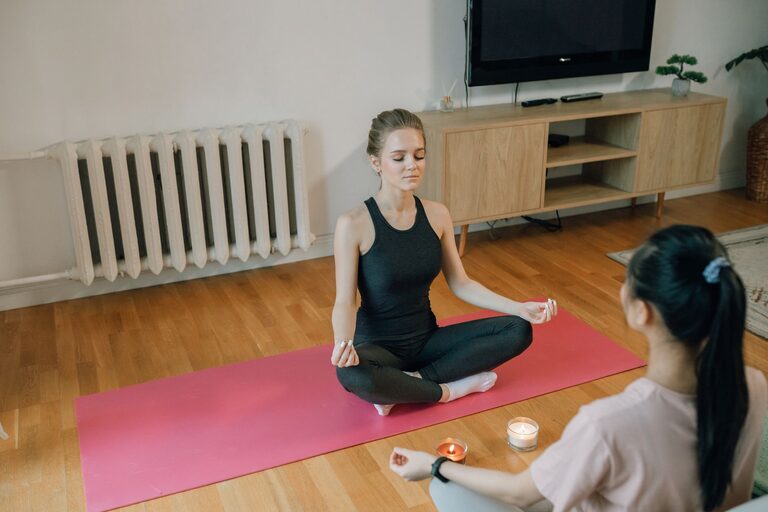
– Doing gentle yoga or meditation
– Spending time in nature, such as visiting a park or going for a hike
– Engaging in a hobby like painting, knitting, or gardening
Make a flexible schedule so you’re not tied to the clock but still have structure.
Step 4: Reduce Digital Distractions
Technology can often add stress, especially if you’re constantly checking emails or social media. Consider setting boundaries such as:
– Turning off work notifications for the weekend
– Designating specific times to check your phone or computer
– Using “Do Not Disturb” mode in the evenings
– Enjoying screen-free moments, especially before bed
This helps you stay present and focused on your relaxing activities.
Step 5: Prepare Your Environment
A calm and comfortable environment supports a no-stress weekend. Here are ways to create a soothing atmosphere at home:
– Declutter the space you’ll be spending time in
– Light scented candles or use essential oils like lavender
– Play calming music or nature sounds
– Set comfortable lighting—natural light during the day and soft lamps in the evening
– Use cozy blankets and cushions
If possible, spend time outdoors for fresh air and natural beauty.
Step 6: Nourish Your Body
Eating well can impact how relaxed and energized you feel. Plan simple, nourishing meals that take little effort but feel satisfying. Some tips:
– Prepare meals in advance to avoid cooking stress
– Choose wholesome ingredients like fresh veggies, fruits, and whole grains
– Drink plenty of water and limit caffeine or alcohol
– Enjoy your meals mindfully, without distractions
Treat yourself to a special snack or dessert you love.
Step 7: Practice Mindfulness and Gratitude
Incorporate small moments of mindfulness into your weekend to help you stay grounded. You can:
– Start your morning with deep breathing or a short meditation
– Notice the sensations while you eat or take a walk
– Keep a gratitude journal and write down things you appreciate about your weekend
These habits enhance your sense of calm and contentment.
Step 8: Be Flexible and Kind to Yourself
Finally, remember that a no-stress weekend is about doing what feels right for you. If plans change or you feel like resting instead of being active, that’s perfectly okay. Avoid judging yourself or feeling guilty about how you spend your time.
Listen to your body and mind, and honor what they need most. Sometimes the best way to reduce stress is simply to pause and enjoy the present moment.
—
Sample No-Stress Weekend Itinerary
Here’s an example of a simple weekend plan to inspire you:
Saturday
– Morning: Sleep in, enjoy a leisurely breakfast
– Late morning: Take a gentle walk at a nearby park
– Afternoon: Read a book or listen to music
– Evening: Cook a favorite meal, watch a movie
Sunday
– Morning: Practice yoga or meditation
– Late morning: Prepare meals for the week ahead
– Afternoon: Spend time on a hobby or craft
– Evening: Relax with a warm bath and early bedtime
—
Planning a no-stress weekend is all about intention, simplicity, and self-care. With a little preparation, you can create a refreshing break that leaves you feeling balanced and ready to take on the week ahead. Give yourself permission to slow down — you deserve it.
About the Author