
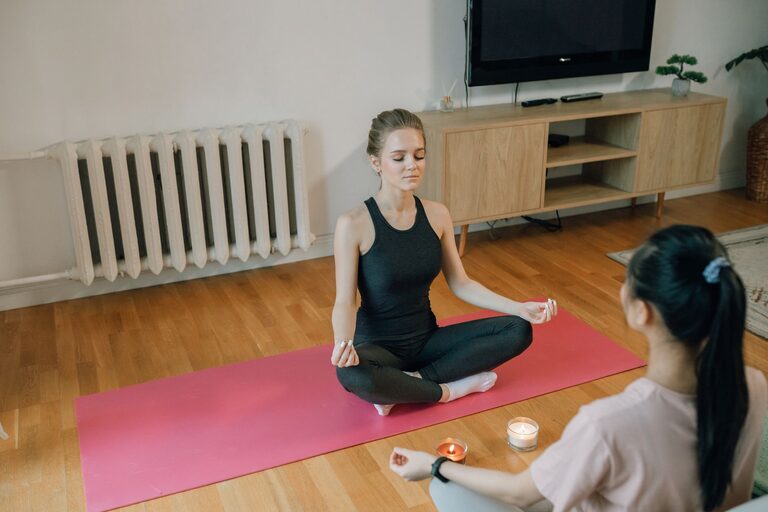
Taking mindful breathing breaks is a simple yet powerful way to refresh your mind, reduce stress, and boost your overall well-being. Whether you are at work, home, or on the go, pausing to focus on your breath can help you regain calm and clarity. If you’re new to mindful breathing, this guide offers beginner-friendly tips to help you get started and make the most of your breathing breaks.
What is Mindful Breathing?
Mindful breathing involves paying attention to your breath in a calm and non-judgmental way. Instead of trying to change your breathing, you simply observe the natural flow of air entering and leaving your lungs. This practice anchors you to the present moment and helps quiet distracting thoughts.
Why Take Mindful Breathing Breaks?
– Reduce Stress: Focused breathing activates the body’s relaxation response, helping to lower heart rate and ease tension.
– Improve Focus: Taking short breaks to breathe mindfully can clear your mind and improve concentration.
– Boost Mood: Mindful breathing can increase feelings of calm and contentment.
– Enhance Awareness: Regular practice develops greater awareness of thoughts and emotions.
Beginner Tips for Mindful Breathing Breaks
1. Find a Comfortable Position
Sit or stand comfortably, with your back straight but relaxed. You can close your eyes if you feel comfortable doing so, or keep a soft gaze to avoid distraction.
2. Start with Short Sessions
Begin with 1 to 3 minutes of mindful breathing. Even a brief pause can have benefits and help build the habit.
3. Focus on Your Breath
Pay attention to the sensation of your breath as it moves in and out of your body. Notice the rise and fall of your chest or abdomen.
4. Breathe Naturally
Don’t try to control your breath or breathe deeply if it doesn’t feel natural. Simply observe your normal breathing pattern.
5. Use a Simple Counting Method
If your mind wanders, gently bring your focus back by counting your breaths. For example, inhale—count 1, exhale—count 2, and so on until you reach 5 or 10, then start again.
6. Notice When Your Mind Wanders
It’s normal for thoughts to come and go. When you notice your mind drifting, gently acknowledge it and return your attention to the breath without judgment.
7. Incorporate Breathing Breaks into Your Routine
Schedule mindful breathing breaks throughout your day—during work, before meals, or just after waking up. Consistency helps make it a natural habit.
8. Use Reminders
Set phone alarms or sticky notes as cues to pause for mindful breathing. Apps with guided breathing exercises can also offer helpful prompts.
Simple Mindful Breathing Exercises for Beginners
Box Breathing
- Inhale slowly for a count of 4.
- Hold your breath for a count of 4.
- Exhale slowly for a count of 4.
- Hold your breath out for a count of 4.
- Repeat this cycle 3 to 5 times.
- Inhale quietly through your nose for a count of 4.
- Hold your breath for a count of 7.
- Exhale completely through your mouth for a count of 8.
- Repeat for 3 to 4 cycles.
4-7-8 Breathing
Tips for Staying Consistent
– Make It Enjoyable: Choose a quiet or pleasant spot for your breaks.
– Start Small: It’s better to do short daily sessions than long occasional ones.
– Be Patient: Results improve over time as you practice regularly.
– Combine with Other Practices: Pair mindful breathing with gentle stretching or a short walk.
When to Use Mindful Breathing Breaks
– During a busy workday when feeling overwhelmed.
– Before difficult conversations or presentations.
– When you notice physical signs of stress like tension or rapid heartbeat.
– As part of your morning or evening self-care routine.
Conclusion
Mindful breathing breaks are an easy, effective way to bring calm and focus into your daily life. By starting with short, simple practices and building a routine, you can experience the benefits of mindfulness anywhere and anytime. Give yourself permission to pause, breathe, and reset—you deserve it!
—
Remember, mindful breathing is a skill that gets easier with practice, so be kind to yourself as you learn. Enjoy the journey toward greater calm and well-being!
About the Author