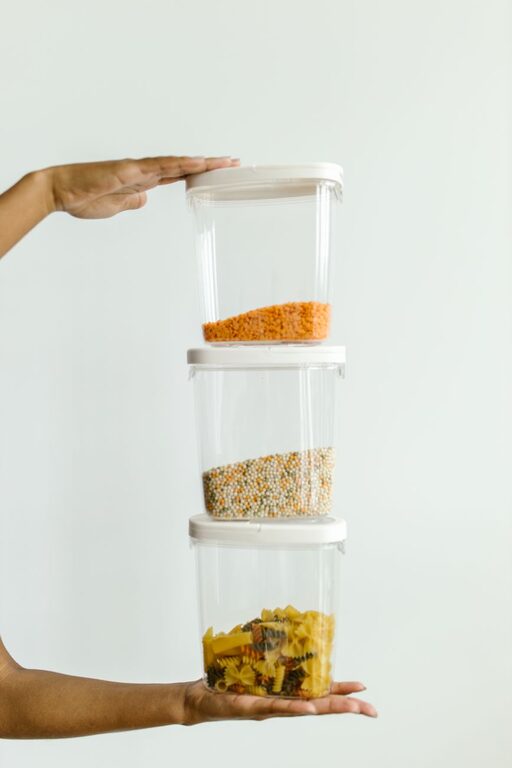
When it comes to planning meals, your pantry can be one of your best resources. A well-stocked pantry full of versatile staples allows you to whip up tasty dishes without frequent grocery trips or last-minute takeout orders. Whether you’re a busy parent, a college student, or just looking to simplify your cooking routine, learning how to plan meals based on pantry ingredients is both practical and rewarding.
In this post, we’ll explore how to organize your pantry, identify versatile staples, and plan meals efficiently using what you already have. Let’s get started!
Why Plan Meals from Pantry Staples?
Planning meals around pantry staples offers several benefits:
– Saves Money: Using what you have prevents unnecessary shopping trips and impulse buys.
– Reduces Food Waste: Utilizing pantry ingredients ensures they don’t expire unused.
– Saves Time: Ready-to-use staples speed up meal prep and cooking.
– Encourages Creativity: Mixing staples in new ways can lead to exciting recipes.
Step 1: Take Inventory of Your Pantry
Before you plan your meals, it’s essential to know what’s in your pantry. Spend some time doing a thorough inventory:
– Check expiration dates and make note of what needs to be used soon.
– Group similar items together (grains, canned goods, spices, etc.).
– Write down quantities to avoid overbuying later.
Having a clear picture of your pantry contents helps you build meals that fit your supply.
Step 2: Identify Your Pantry Staples
Certain ingredients are incredibly versatile and form the backbone of many meals. Common pantry staples include:
– Grains: Rice, pasta, quinoa, oats, couscous
– Canned Goods: Beans, tomatoes, tuna, coconut milk, broth
– Baking Essentials: Flour, sugar, baking powder, baking soda
– Oils and Vinegars: Olive oil, vegetable oil, apple cider vinegar, balsamic vinegar
– Herbs and Spices: Salt, pepper, garlic powder, cumin, paprika, chili flakes, dried herbs
– Nuts and Seeds: Almonds, peanuts, sunflower seeds
– Condiments: Soy sauce, mustard, ketchup, hot sauce, honey
These ingredients can combine in many ways to create both simple and more complex dishes.
Step 3: Plan Your Meals Around Your Staples
Now that you know what you have, start brainstorming meals that use these ingredients. Here are some ideas to consider:
Breakfast Ideas
– Overnight Oats: Combine oats, milk (or dairy-free alternative), honey, and your choice of nuts or seeds.
– Pancakes: Use flour, baking powder, sugar, and canned fruit or syrup on hand.
– Egg and Bean Breakfast Burritos: Use canned beans, spices, and tortillas (if available).
Lunch Ideas
– Rice and Beans Bowl: Mix cooked rice with canned beans, olive oil, spices, and any fresh vegetables.
– Pasta Salad: Use cooked pasta, canned tuna or beans, olive oil, vinegar, and dried herbs.
– Soup: Combine broth, canned tomatoes, beans, rice or pasta, and spices for a hearty soup.
Dinner Ideas
– Stir-Fry: Use rice or noodles with canned vegetables, soy sauce, and spices.
– Chili: Mix beans, canned tomatoes, chili powder, and broth for a warming chili.
– Curry: Use coconut milk, canned tomatoes, spices, and rice to create a tasty curry.
Snack Ideas
– Trail Mix: Combine nuts, seeds, and dried fruit.
– Hummus and Veggies: Use canned chickpeas to make hummus paired with fresh veggies.
Step 4: Use Meal Planning Tools
Writing down your meal plan helps keep you organized. You can use:
– A weekly planner or calendar
– Meal planning apps
– Simple notes on your phone or a notebook
Include meals you want to try and check off items as you prepare.
Step 5: Add Fresh Ingredients Strategically
While pantry staples form the meal’s base, some fresh ingredients can enhance flavor and nutrition. Keep a small list of fresh items to pick up weekly, such as:
– Onions
– Garlic
– Carrots
– Leafy greens
– Fresh herbs
These can be used in combination with pantry staples to create balanced meals.
Step 6: Batch Cook and Store
Batch cooking is a great way to save time. When you cook staples like rice, beans, or soups in larger quantities, you can store portions in the fridge or freezer for quick meals later. This reduces cooking time and helps you avoid wasting leftovers.
Tips for Maintaining a Pantry-Based Meal Routine
– Rotate your pantry items occasionally to keep ingredients fresh.
– Keep a running shopping list of staples you’re running low on.
– Experiment with new spices or condiments to add variety.
– Check online recipes specifically designed for pantry staples for inspiration.
Conclusion
Planning meals from pantry staples is a smart, economical, and sustainable way to approach cooking. By knowing your pantry contents, identifying versatile ingredients, and thoughtfully planning meals, you can reduce stress, save money, and enjoy delicious food. With a little practice, using pantry staples will become second nature and open the door to tasty, creative home cooking.
Try starting with a simple meal plan this week using only pantry staples and a few fresh ingredients. You might be surprised at how satisfying and easy it can be!
About the Author